
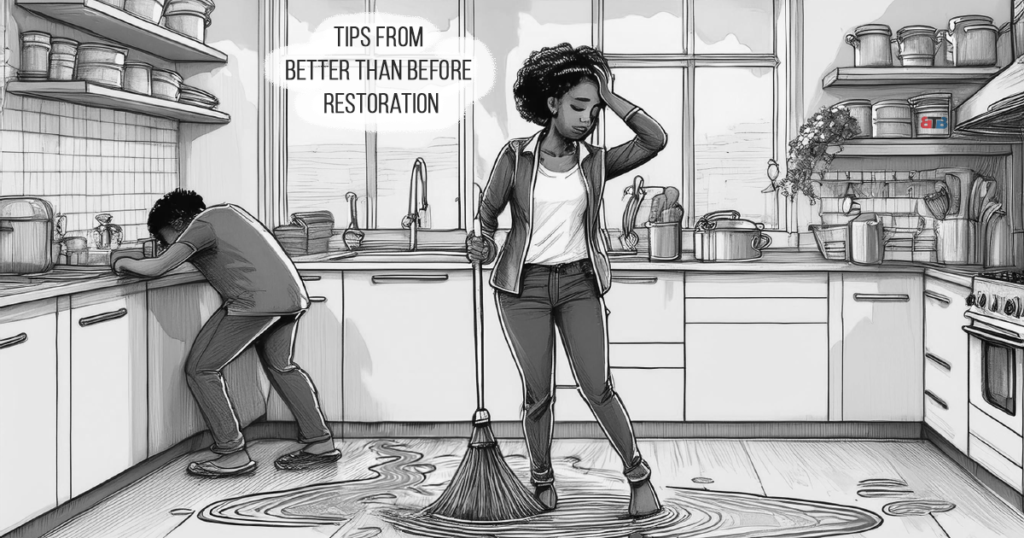
Mitigation is the immediate action taken to stop damage from getting worse — extracting standing water, drying out a structure, boarding up a breach, tarping a damaged roof. It’s not the repair itself; it’s what happens before the repair to keep a bad situation from becoming a worse one.
Why it matters: damage compounds fast. Water left standing for days leads to mold. An unprotected opening after a storm invites more damage with the next rain. Mitigation is what keeps a $10,000 loss from becoming a $30,000 one.
Why insurance companies expect it: most policies include a duty to mitigate — language requiring the homeowner to take reasonable steps to prevent further damage once a loss occurs. Skip mitigation, and an insurance company can argue that any damage which worsened afterward isn’t covered, since it resulted from inaction rather than the original event.
A few things worth knowing:
- Mitigation needs to happen quickly, often within the first 24–48 hours, to hold up as “reasonable.”
- Keep records (photos, receipts, invoices) of whatever mitigation steps were taken — this becomes part of your claim documentation.
- Mitigation and repair are two separate phases. Mitigation stops the damage; repair puts the home back together. Both need to be scoped and documented correctly for the claim to reflect the full picture.
Why this matters before you file: if mitigation is skipped or poorly documented, it can weaken an otherwise valid claim — not because the original damage wasn’t covered, but because the insurance company can point to a lack of mitigation as the reason it got worse.
Where we come in: we help guide you through the mitigation process and make sure it’s documented the way your insurance company expects to see it, so it supports your claim instead of giving an adjuster a reason to push back.